BMW Leak Repair in Abu Dhabi
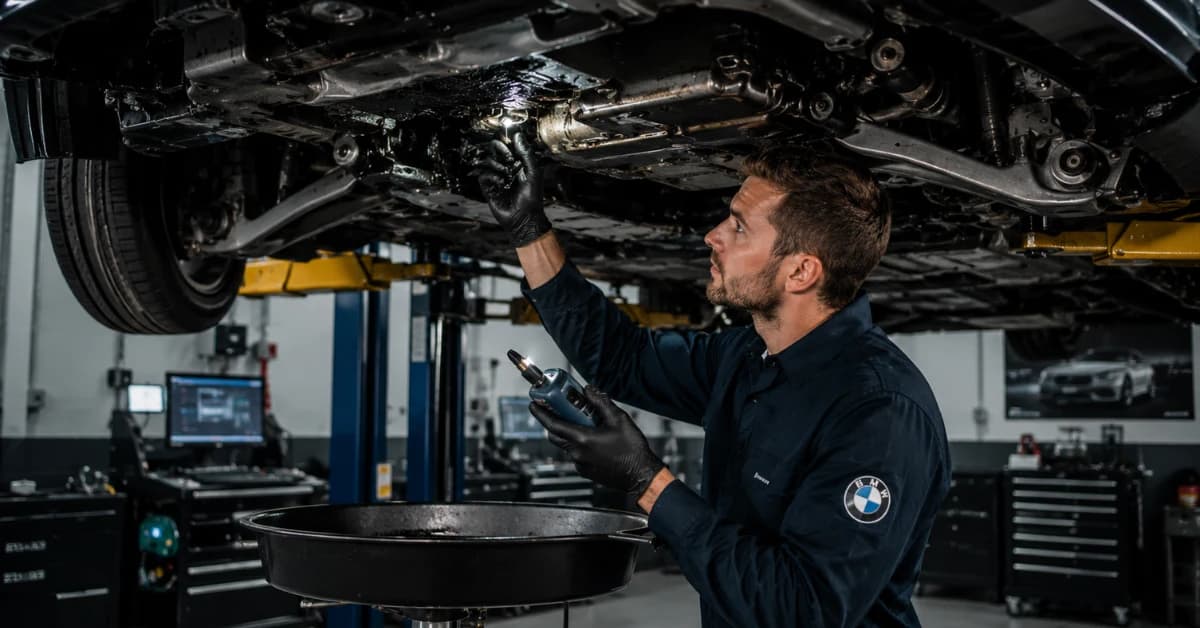
Zenfo Auto Services delivers structured leak diagnosis and full fluid retention repair for all BMW models in Abu Dhabi, using pressure testing equipment, OEM-grade seals, and certified technicians trained in BMW-specific fluid system architecture.
- 10+ Years of Experience
- 100% Satisfied Clients
- 24/7 Pickup & Delivery Service
- 2x Quick Service
950+
5-Star Google Reviews
12
Service categories, one roof
1-Month
Warranty on parts & labour
25–40%
Below dealer pricing
Zenfo Auto Services
Why Choose Zenfo Auto Services for BMW Leak Repair in Abu Dhabi?
Certified BMW Leak Diagnosis Technicians
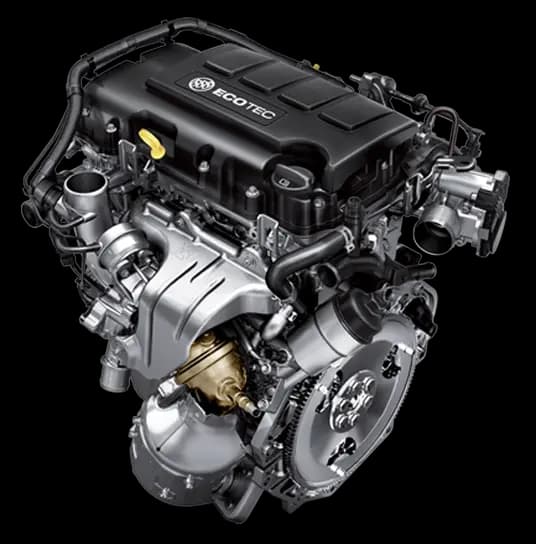
Our technicians hold manufacturer-level certifications covering BMW-specific fluid system architecture across the N20, N55, B58, and S58 engine families, trained on crankshaft seal designs and rear main seal interaction with DME crankcase pressure management.
OEM Components & Pressure Testing Equipment
Only OEM-approved gaskets, seals, O-rings, and sealing compounds are used. The workshop uses oil system pressure testers, UV dye injection kits for micro-leak detection, and smoke-based EVAP and vacuum circuit leak testers.
Efficient Leak Repair Turnaround
A valve cover gasket replacement is completed within 1 to 2 hours. An oil filter housing gasket replacement takes 2 to 3 hours. A rear main seal replacement is completed within 4 to 5 hours.
Transparent and Consistent Pricing
All leak repair costs are confirmed before work begins, covering parts, labour, and full fluid circuit inspection findings. A written service report is issued at vehicle handover.
What's included
BMW Leak Repair Services We Provide
Valve Cover Gasket Replacement
BMW valve cover gaskets use EPDM rubber that degrades after repeated thermal cycling above 120°C. UV dye and black-light inspection pinpoint the exact seepage location.
Oil Filter Housing Gasket Replacement
The oil filter housing gasket on BMW N52, N54, and N55 engines typically fails between 80,000 km and 120,000 km, allowing oil loss of up to 200 ml per 1,000 km.
Rear Main Seal (RMS) Replacement
Oil loss through a degraded RMS reaches 300 ml per 2,000 km before external pooling appears. The crankshaft surface is inspected for scoring before the new OEM lip seal is fitted.
Oil Pan Gasket Replacement
A leaking oil pan gasket causes oil pooling beneath the engine block after parking. The mating surface is degreased to ISO cleanliness standards before a fresh FIPG bead is applied.
Coolant Leak Repair
A coolant loss rate exceeding 100 ml per week confirms active seepage. The full circuit is pressure-tested at 1.4 bar with UV dye to identify the exact failure point.
Power Steering Fluid Leak Repair
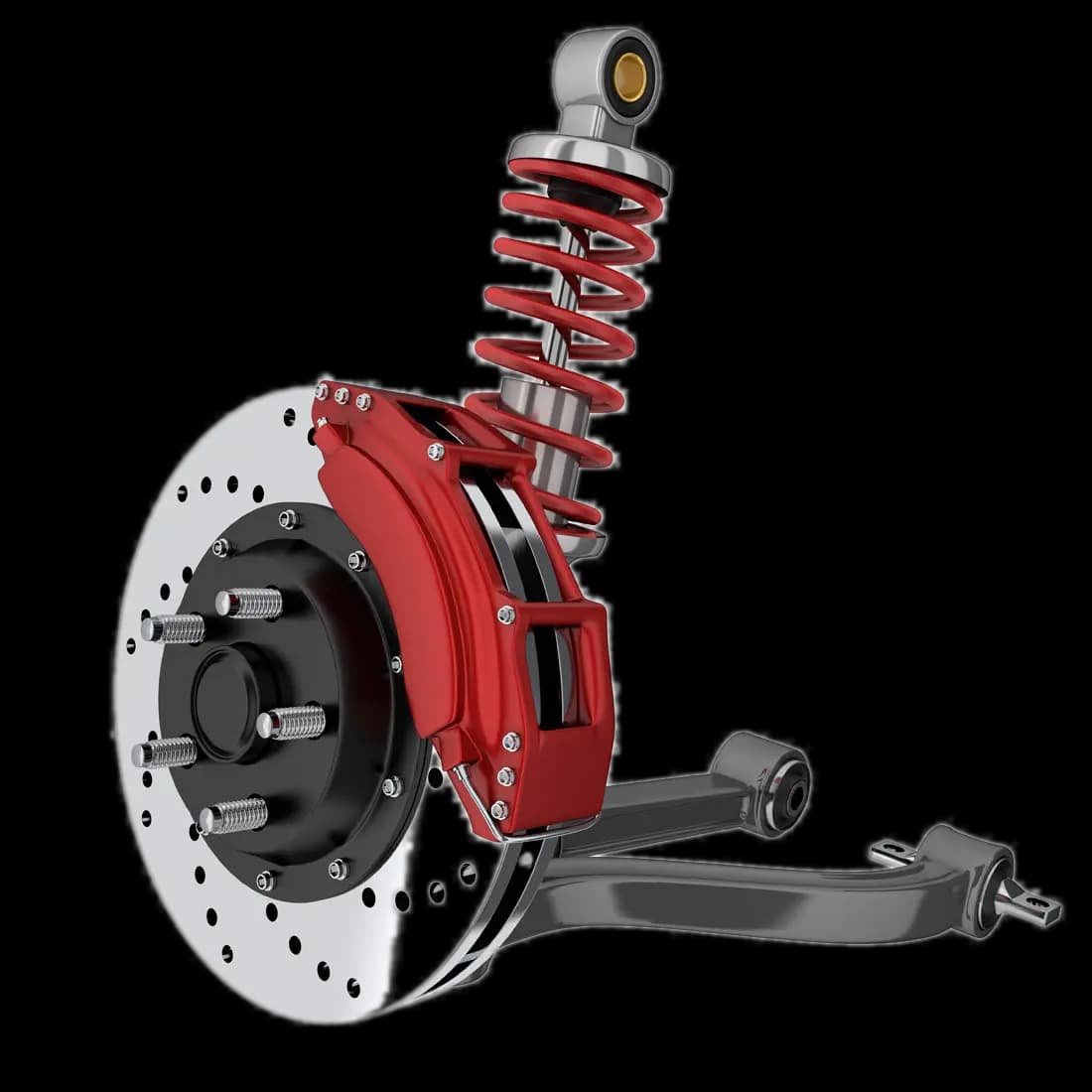
A leaking hose produces fluid pooling at the front subframe and reduces steering assist response. Failed hose assemblies and rack seals are replaced with OEM units.
Transmission Oil Leak Repair
ATF seepage produces reddish-brown fluid beneath the gearbox. The pan, gasket, and filter are replaced together, with ATF refilled to the OEM-specified volume.
Differential Seal & Gasket Replacement
A leaking output shaft seal allows gear oil to reach the brake disc surface, reducing braking efficiency. Each seal running surface is inspected before OEM replacement.
Turbocharger Oil Feed & Return Line Repair
A cracked return line or leaking banjo bolt causes oil accumulation near the heat shield. Both lines are replaced with OEM-specification steel or braided units.
Brake Fluid Leak Repair
A fluid loss of just 50 ml introduces compressible air into the circuit, increasing pedal travel. Failed parts are replaced, and the circuit is pressure-bled.
Fuel System Leak Repair
Injector copper seal or fuel rail O-ring seepage produces a detectable fuel odour in the engine bay. Leaks are confirmed using a calibrated combustible gas detector.
Air Conditioning Refrigerant Leak Repair
Condenser micro-cracks or Schrader valve seepage reduce cooling output. UV dye identifies the exact leak point before the circuit is evacuated and recharged.
VANOS Seal Replacement
Failed solenoid O-rings allow oil seepage into the intake airstream. VANOS-related oil consumption reaches 500 ml per 3,000 km when both unit seals fail.
How it works
How to Book
Share Your BMW Details
Provide your BMW model, year, engine code, current mileage, and the specific symptoms you have observed, including oil warning lights or fluid puddles under the vehicle.
Make a Booking
Select a date and time that fits your schedule. Same-day and next-day appointments are available for most leak diagnosis and repair work.
We Repair
Our certified technicians carry out a full fluid system diagnosis and targeted repair, then provide a written inspection and repair report at job completion.
25–40%
Below dealer pricing
1-Month
Warranty on parts & labour
950+
5-Star Google Reviews
Signs to watch for
When Does Your BMW Need Leak Repair?
| Issue | Symptoms / Signs | Possible Cause | Recommended Solution |
|---|---|---|---|
| Oil Warning Light | Low oil pressure or level indicator on the iDrive cluster | Active engine oil leak reducing system volume | Full engine underside inspection with UV dye and pressure testing |
| Fluid Puddle Under Vehicle | Dark brown, red, or clear liquid visible after parking | Engine oil, ATF, or brake fluid leaks at the gasket or seal | Undercarriage inspection with UV dye and source identification |
| Burning Oil Smell | Sharp chemical odour during or after driving | Oil contacting the exhaust manifold through the valve cover or turbo line leak | Visual inspection of valve cover, oil feed lines, and turbo heat shield |
| Reduced Fluid Levels | Oil or coolant level drops between service intervals with no visible puddle | Internal or micro-scale external seepage at gasket faces | Pressure hold test and UV dye scan across all fluid circuit joints |
| White or Blue Exhaust Smoke | Smoke is visible from the exhaust under load or at start-up | Oil or coolant entering the combustion chamber | CO block test, compression check, and valve stem seal inspection |
| Steering Feedback Change | Reduced or inconsistent power steering assist | HPS fluid loss through high-pressure hose or rack seal failure | Power steering pressure inspection and hose integrity test |
| Brake Pedal Travel Increase | Pedal sinking further before pad engagement | Brake fluid loss at the caliper seal or flexible hose junction | Brake hydraulic circuit inspection and pressure bleeding |
| Fuel Odour in Engine Bay | Petrol smell without a visible puddle | High-pressure injector seal or fuel rail O-ring seepage | Combustible gas detection scan across the fuel rail and injector seats |
Why it matters
Benefits of Professional BMW Leak Repair
| Benefit | Description | Impact |
|---|---|---|
| Engine Bearing Protection | Maintaining correct engine oil volume at 4.5 to 6.5 litres prevents oil film breakdown at crankshaft bearing surfaces | Sustained oil pressure above 1.5 bar at idle reduces risk of premature bearing wear |
| Transmission Clutch Pack Integrity | Correct ATF volume at 7.5 litres in ZF 8HP units prevents clutch glazing and solenoid valve stiction | Proper ATF level extends clutch pack service life by up to 50,000 km |
| Brake System Safety | Sealed brake hydraulic circuits maintain consistent pedal pressure and ABS activation response | A fully bled system prevents brake fade and maintains 180 bar peak activation pressure |
| Turbocharger Service Life | Oil-tight feed and return lines sustain continuous CHRA lubrication at 4 bar during operation | Leak-free oil supply reduces CHRA bearing temperature and carbon deposit accumulation |
| Fuel Economy Retention | Sealed fuel injector copper washers prevent high-pressure fuel vapour loss from the combustion chamber | Correct injector seating at 200 bar maintains fuel atomisation and combustion efficiency |
| Manufacturer Warranty Compliance | Leak repairs using OEM-specification seals and gaskets maintain fluid system integrity within BMW factory design parameters | Documented repair records support BMW manufacturer warranty claims and preserve resale value |
| Prevention of Secondary Damage | Early leak repair prevents fluid loss from reaching levels that compromise lubricated or hydraulic components | Addressing a gasket leak before fluid levels reach the minimum mark avoids major component replacement costs |
Aftercare
Maintenance Tips After BMW Leak Repair
- Monitor Fluid Levels Weekly for the First 30 Days: Report any unexplained drop exceeding 50 ml to identify secondary seepage before it develops further.
- Allow Correct Sealant Cure Times: FIPG and RTV sealant compounds require a minimum of 1 hour before fluid refill and 24 hours before full thermal cycling.
- Avoid High-Pressure Washing Near Repaired Components: Water pressure above 80 bar can disturb newly installed gaskets and seal lips within the first 500 km.
- Inspect for Residue After the First Heat Cycle: After the first 20 to 30 km of driving, distinguish old dried fluid residue from new active seepage at repaired joints.
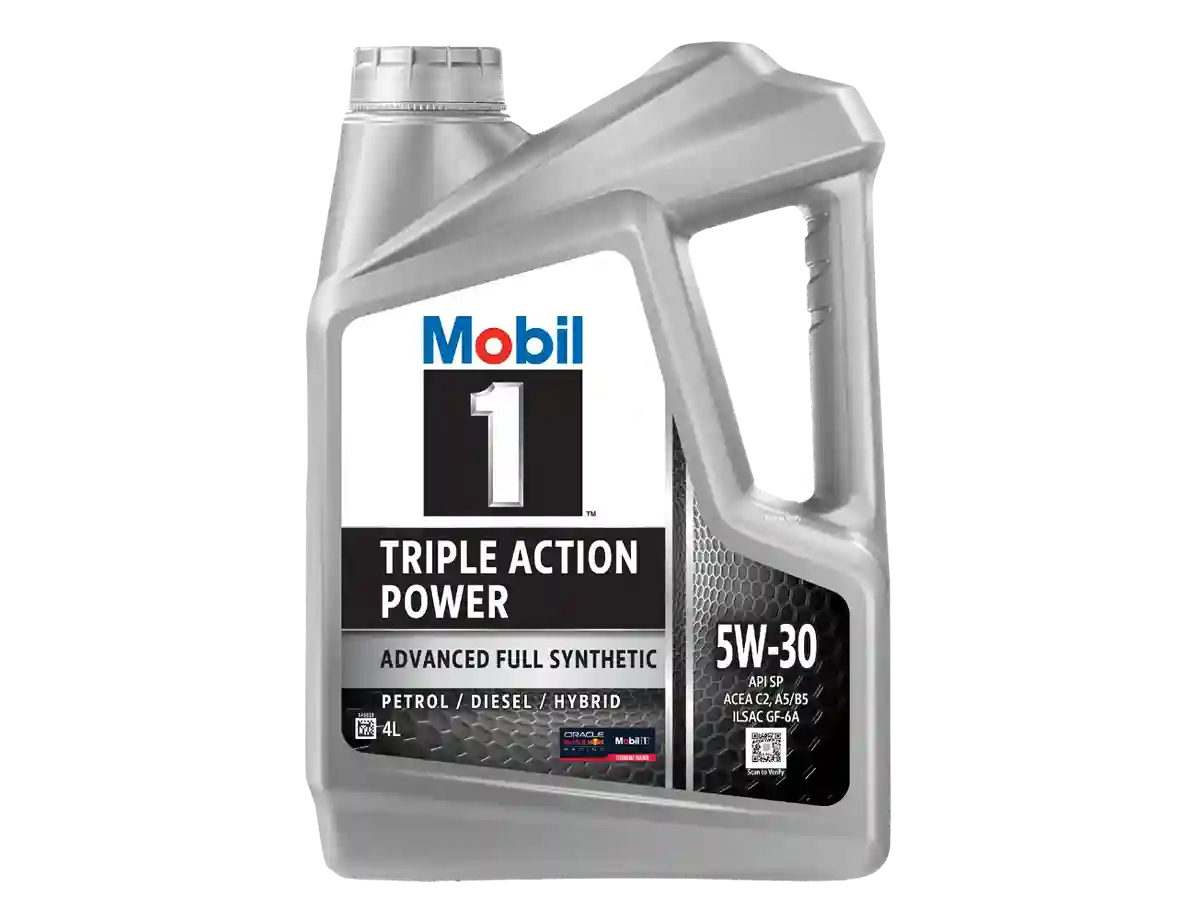
- Use Only BMW-Specified Fluids: Incompatible fluid types can degrade newly installed seal materials and accelerate gasket failure.
- Service Fluids at Manufacturer-Recommended Intervals: Replace engine oil every 15,000 km, ATF every 60,000 km, and brake fluid every 2 years, regardless of appearance.
- Schedule a Follow-Up Inspection at 5,000 km: A full fluid retention check confirms gasket seating stability and identifies any secondary seepage.
Verified reviews
What Our Customers Say
Real reviews from BMW owners in Abu Dhabi who have had bmw leak repair in abu dhabi completed at Zenfo Auto Services.
Fleet coverage
BMW Models We Service in Abu Dhabi
Questions, answered
Frequently Asked Questions
A standard inspection covers a visual check of all gasket faces and seal lips, followed by UV dye injection and black-light scanning, oil system pressure hold testing, brake hydraulic circuit inspection, and fuel circuit scanning using a combustible gas detector.
BMW engine oil is dark brown to black and produces a burning smell when it contacts exhaust components above 300°C. A gradual drop in oil level without external pooling indicates micro-scale seepage requiring UV dye diagnosis.
Valve cover gasket and oil filter housing gasket replacement takes 1 to 3 hours. Rear main seal replacement takes 4 to 5 hours. Head gasket replacement requires 6 to 8 hours.
Yes. All gaskets, seals, O-rings, and sealing compounds used are OEM-approved components matched to the correct material specification for each engine family and model year.
Yes. Internal micro-scale seepage is diagnosed through UV dye scanning, combustible gas detection, oil consumption rate analysis, and pressure hold testing.
Yes. High-pressure fuel circuit leaks are diagnosed using a calibrated combustible gas detector and UV dye, with injector copper crush washers and fuel rail O-rings replaced using OEM-grade materials.
Yes. All leak repair work carried out at our Abu Dhabi workshop includes a repair warranty covering the replaced component or assembly.
A full fluid retention inspection is recommended at every 20,000 km service interval or immediately if any warning signs appear. Models above 80,000 km benefit from an inspection at every engine oil service.
Visit the workshop
Book Your BMW Service Today
Walk-in appointments and same-day service are available at the dedicated BMW specialist facility in Musaffah, Abu Dhabi.
- Hours
- Open Daily (Mon–Sun): 9:00 AM – 9:00 PM