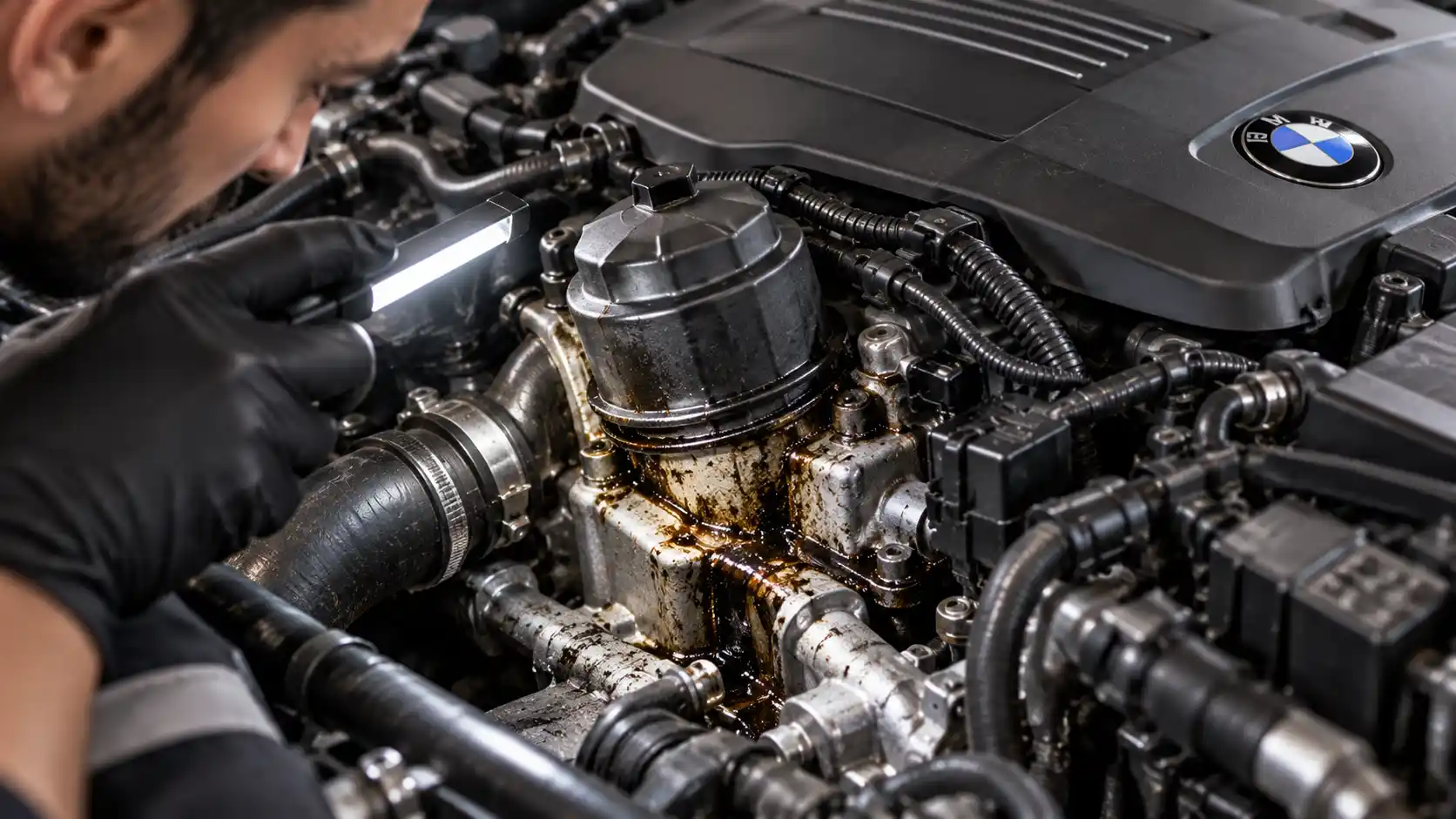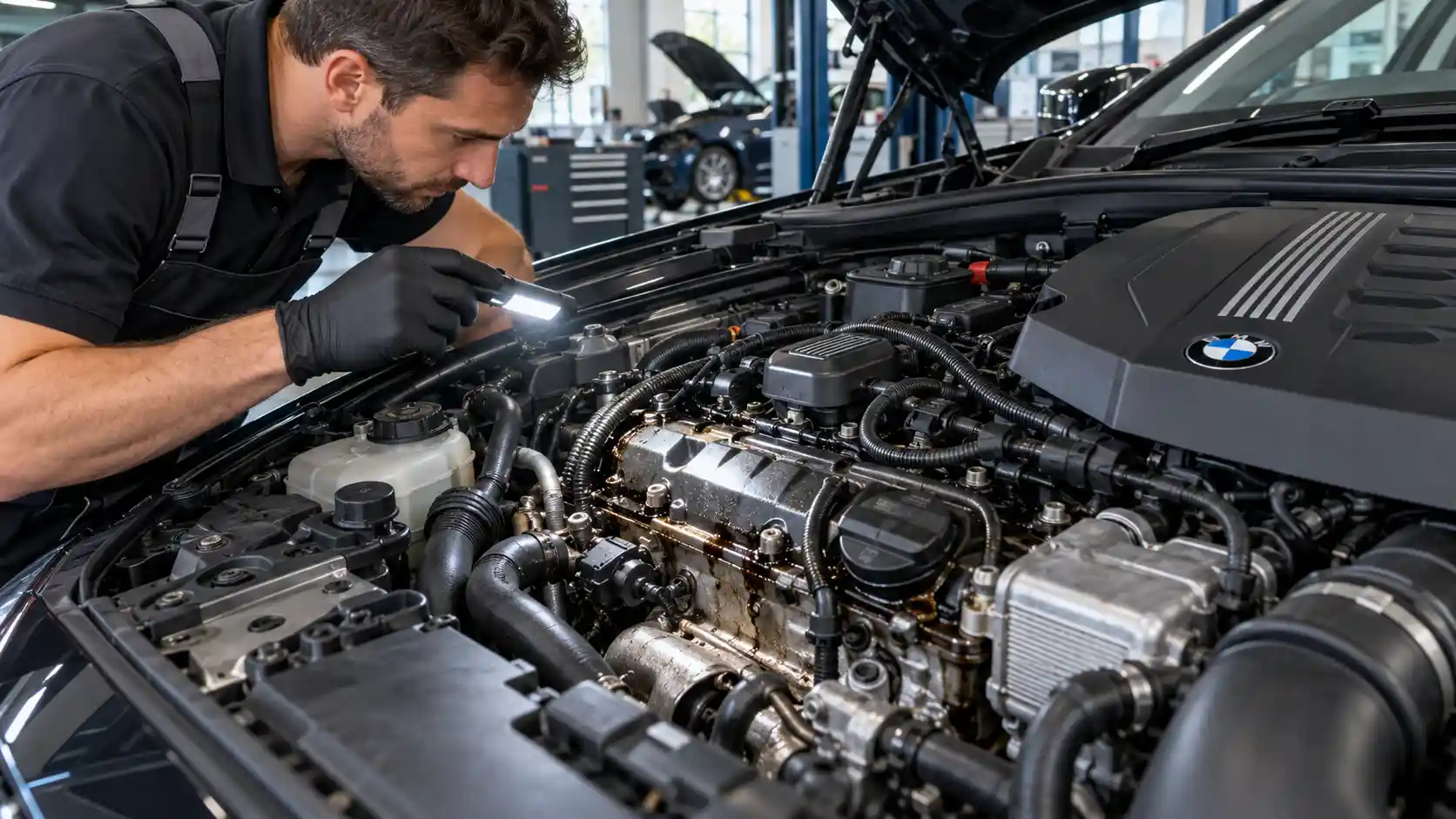


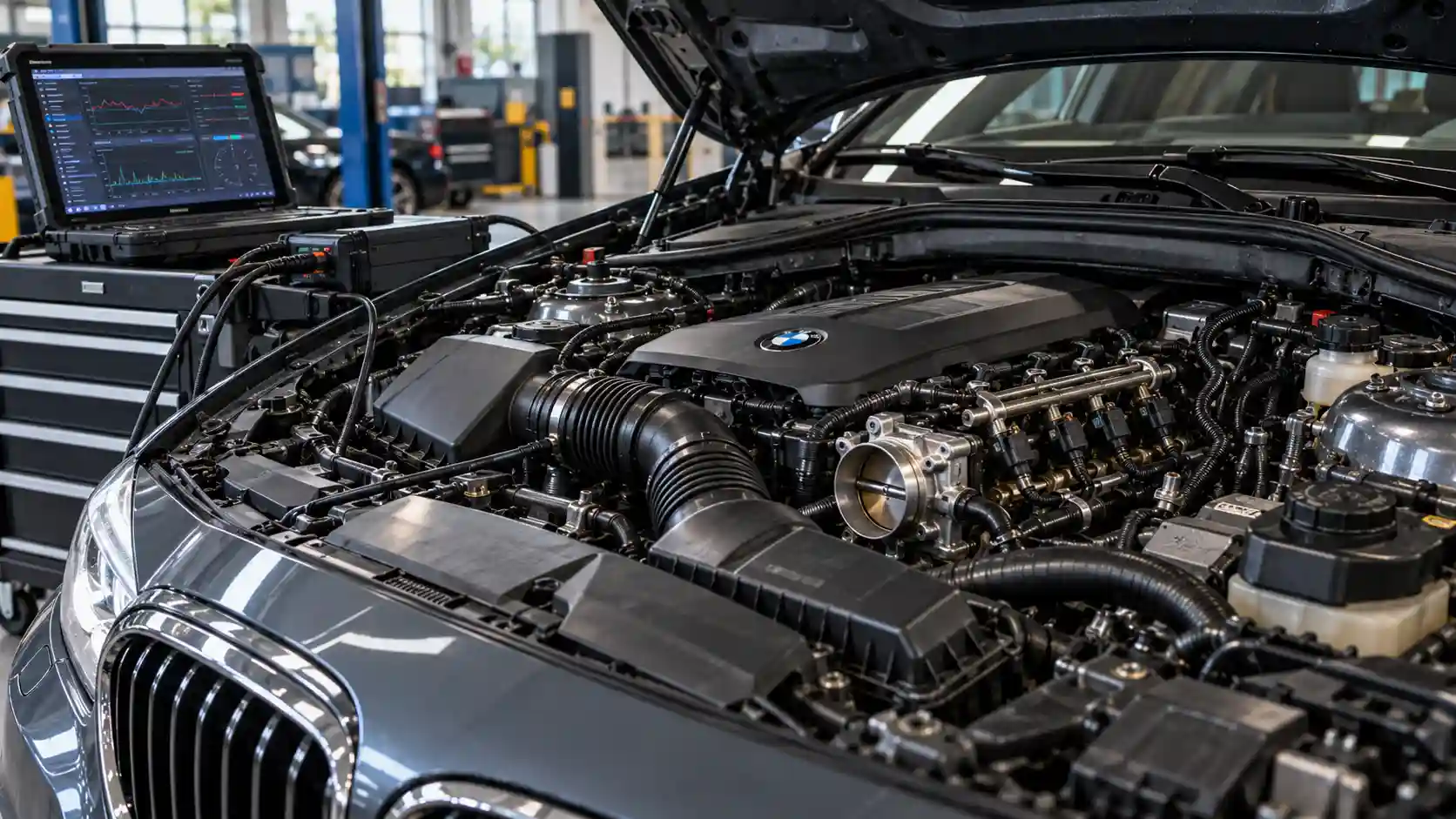
A BMW should deliver smooth acceleration and steady power when you press the accelerator. However, if your car suddenly feels slow, struggles to speed up, or fails to respond as it should, something may be wrong. In Abu Dhabi, high temperatures, heavy traffic, and long drives can place extra stress on engine and fuel system parts.
Check control · Quick diagnosis
The most common reasons a BMW loses power while driving include turbocharger faults, blocked fuel filters, faulty sensors, and ignition problems. Engine overheating, air intake leaks, and transmission faults can cause similar symptoms.
In some cases, the car's engine control unit reduces power to protect important parts from damage. Finding the cause early can help prevent further damage and costly repairs.
Most Common Reasons Why Does a BMW Lose Power While Driving
A BMW can lose power when the engine cannot get the right amount of air, fuel, or spark to produce normal power. The problem may also come from a sensor that sends incorrect information to the engine control unit (ECU). When this happens, the engine may not respond properly when you press the accelerator.
You may notice slow acceleration, poor response when climbing a hill, or difficulty keeping up with traffic. Sometimes the loss of power happens suddenly, while in other cases it develops over several days. The way the problem starts can help a technician find the cause.
Inspect
Turbocharger Problems
Many BMW models use turbocharged engines to produce strong power and quick acceleration. A turbocharger uses exhaust gas to spin a turbine, which helps push more air into the engine. The extra air allows the engine to burn fuel more effectively and produce more power.
If the turbocharger or its related parts stop working correctly, your BMW may feel slow, especially when accelerating. High engine temperatures, poor oil maintenance, damaged pipes, and worn turbo parts can contribute to these problems. However, not every loss of boost means the turbocharger itself needs replacement.
Inspect
A Blocked Fuel Filter or Weak Fuel Pump
Your BMW needs a steady supply of fuel to maintain engine power. The fuel pump sends fuel from the tank towards the engine, while the fuel filter helps remove dirt and other particles where a separate filter is fitted. If fuel flow becomes restricted, the engine may not receive enough fuel during acceleration.
A weak fuel pump or blocked filter can make the car feel normal at low speeds but weak when you press the accelerator harder. In some cases, the engine may hesitate, misfire, or struggle to start. The exact cause depends on the BMW model and its fuel system design.
Inspect
Faulty Airflow or Engine Pressure Sensors
BMW engines use sensors to measure air entering the engine, pressure in the intake system, engine temperature, and other operating conditions. The engine control unit uses this information to adjust fuel delivery, ignition timing, and boost pressure.
If a sensor sends incorrect data, the engine may not produce its normal power. Two parts that may be checked are the mass airflow sensor (MAF), which measures incoming air, and the manifold absolute pressure sensor (MAP), which measures pressure in the intake manifold. Not every BMW uses the same sensor setup.
Inspect
Engine Overheating in Abu Dhabi's Hot Weather
High outdoor temperatures can place extra pressure on your BMW's cooling system, especially during slow traffic or long journeys. The engine needs to stay within its designed temperature range to work properly. If the cooling system cannot remove enough heat, the engine may reduce power to protect itself.
A failing water pump, low coolant level, blocked radiator, faulty thermostat, or weak cooling fan may cause overheating. A BMW that loses power after driving for some time may need its cooling system checked, particularly if a temperature warning appears at the same time.
Inspect
Dirty or Blocked Air Filters
The engine needs a steady supply of clean air to burn fuel properly. The air filter catches dust and dirt before they enter the engine. Over time, the filter can become blocked, restricting airflow and affecting engine performance.
Abu Dhabi's dusty conditions can make air filter checks especially useful for cars that travel frequently through construction areas, desert roads, or dusty industrial zones. However, the correct replacement interval depends on the model, driving conditions, and the manufacturer's service guidance.
Inspect
Worn Spark Plugs or Faulty Ignition Coils
Petrol BMW engines use spark plugs to ignite the air and fuel mixture inside each cylinder. Ignition coils provide the electrical energy needed to create that spark. If a spark plug becomes worn or an ignition coil fails, one or more cylinders may not burn fuel correctly.
This condition is called an engine misfire. It can cause shaking, hesitation, poor acceleration, and reduced power. Heat and normal wear can affect ignition parts, but the service needs and failure rate vary between BMW engines.
Inspect
Transmission Problems
A BMW can feel slow even when the engine is producing normal power. The transmission transfers engine power to the wheels, and a fault in this system can affect acceleration. Depending on the model, your BMW may use a conventional automatic transmission, a dual-clutch transmission, or another design.
Worn internal parts, fluid problems, control faults, or sensor issues can cause delayed gear changes, slipping, or rough shifts. Some faults may cause the transmission to enter a protective mode and limit performance.
Inspect
Exhaust Blockage or Catalytic Converter Problems
The exhaust system carries burnt gases away from the engine. In petrol BMW models, the catalytic converter helps reduce harmful emissions. Diesel models may use a diesel particulate filter (DPF) and other emissions parts. If these parts become blocked or fail, exhaust gases may not flow as they should, which can reduce engine power.
The risk depends on the engine and the type of driving. Short trips, repeated engine faults, and certain fuel or combustion problems can contribute to emissions system issues in some models.
Inspect
Vacuum Leaks or Damaged Intake Pipes
Your BMW's engine needs a controlled amount of air to maintain proper combustion. Vacuum pipes and intake connections help direct air to the right parts of the engine. If a pipe cracks, a seal becomes loose, or a connection fails, extra air may enter the system where it is not expected.
On turbocharged models, a damaged boost pipe can allow compressed air to escape before it reaches the engine. This can lead to reduced power, especially during acceleration.
Inspect
Faulty Fuel Injectors
Fuel injectors deliver a controlled amount of fuel into the engine. They must work at the right time and provide the correct spray pattern for proper combustion. If an injector becomes blocked, leaks, or fails electrically, the engine may not produce normal power.
BMW petrol and diesel engines use different injector designs and operating pressures. Some injector repairs require specialist tools, so the correct diagnosis depends on the engine type.
Why Does a BMW Enter Limp Mode?
Limp mode is a protective setting that limits engine power or speed when the car detects certain faults. It may activate when the ECU identifies a problem that could harm the engine, turbocharger, transmission, or emissions system. The exact behaviour varies by BMW model.
When limp mode starts, the car may feel very slow, have limited throttle response, or struggle to accelerate beyond a certain speed. A warning message or engine light may appear, but not every fault produces the same warning.
Common Reasons for Limp Mode
Limp mode can be triggered by:
- Low or incorrect turbo boost pressure.
- Engine overheating.
- Fuel pressure problems.
- Faulty airflow or pressure sensors.
- Severe engine misfires.
- Transmission control faults.
- Emissions system problems.
These are possible causes, not a complete diagnosis. The warning may be the result of another fault rather than the main problem itself.
How to Fix Limp Mode
A BMW-compatible diagnostic scanner can read the stored fault codes and help identify the system involved. The technician should then carry out the required tests before repairing the cause. Simply clearing the codes may allow normal power to return temporarily, but the problem can come back.
If the car enters limp mode while driving, avoid hard acceleration and find a safe place to stop if the car cannot keep up with traffic safely. If a temperature, oil pressure, or other serious warning appears, stop the engine when safe and arrange assistance.
How Can You Prevent BMW Power Loss in Abu Dhabi?
Regular servicing can help reduce the risk of sudden power loss. Abu Dhabi's heat, dust, and heavy traffic can make it especially useful to check the cooling system, air intake, battery, and engine fluids. However, service needs vary by BMW model, engine, mileage, and driving habits.
Follow these maintenance steps:
- Change engine oil and filters at the recommended intervals.
- Inspect air filters and intake pipes for dirt or damage.
- Check the cooling system before problems develop.
- Replace spark plugs according to the correct service schedule.
- Use fuel from reliable stations.
- Have recurring engine warning lights diagnosed.
- Inspect turbo pipes and connections if acceleration becomes weak.
- Follow the correct service requirements for the transmission.
- Repair oil or coolant leaks promptly.
- Keep records of servicing and previous repairs.
Do not ignore small changes in engine response. A car that hesitates occasionally may have an early fault that is easier to repair than a problem that has been left for months.
Finish line
Conclusion
A BMW can lose power while driving in Abu Dhabi because of turbocharger faults, fuel delivery problems, faulty sensors, dirty air filters, ignition issues, or intake leaks. Overheating, transmission faults, blocked exhaust parts, and faulty fuel injectors can cause similar symptoms. In some cases, the ECU activates limp mode to protect important parts from further damage.
Pay attention to slow acceleration, rough running, warning lights, and unusual noises. Regular maintenance can help prevent some problems, but a proper diagnosis is needed when power loss occurs. Avoid hard driving when the engine is not running correctly, and stop safely if serious warnings appear.
If your BMW struggles to accelerate or suddenly loses power, contact BMW Garage Abu Dhabi for professional inspection and repair. A skilled technician can scan the vehicle, check the engine and related systems, and identify the cause before recommending the right solution. Early attention can help protect your BMW and keep it running safely on Abu Dhabi roads.
Related services